2026-09-19
Ptosis Surgery: If Your Eyes Look Heavy and Tired, Identify the Cause First
Tired, heavy-looking eyes may stem from skin laxity or true ptosis. Discover how identifying the root cause ensures natural, balanced, and functional eye correction.
※ This article is intended for informational medical purposes only.
It is not subject to review under Article 56, Paragraph 2, and Article 57 of the Medical Service Act, and we advise that this is not an promotional post unrelated to regulatory review.
Hello,
I am Dr. Park Jeong-geun,
Director of Face Plus Plastic Surgery Clinic.
If your eyes often feel heavy
or people tell you that you look tired
even after getting plenty of rest,
it is easy to assume it is simply the shape of your eyes.
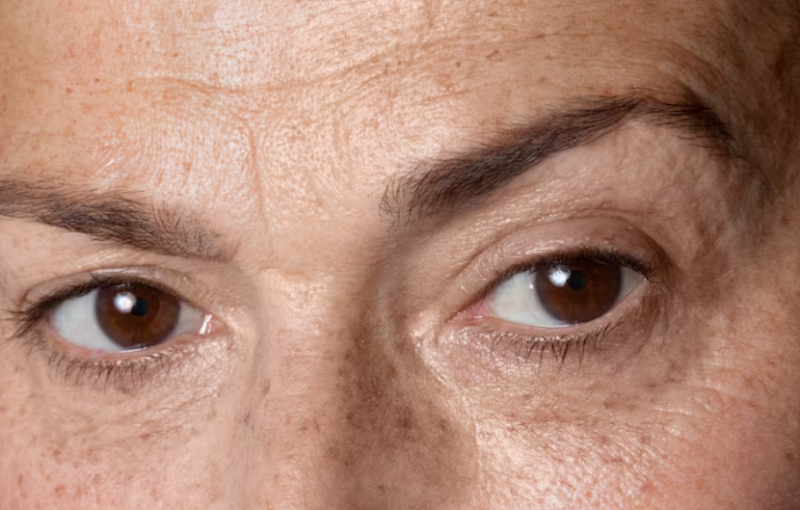
However, when the upper eyelids droop
or the muscle strength required to open the eyes is insufficient,
it can create a very similar impression.
In such cases, rather than rushing to change your eye shape unconditionally,
it is important to first evaluate the current condition
and the underlying cause of the eyelid issue.
Ptosis surgery is not simply
about making the eyes bigger;
it is crucial to evaluate the structure and function of the eyelids
to plan an approach
tailored specifically to the individual.
Table of Contents | ||
1. Why Eyes Look Heavy 2. What Exactly Is Ptosis? 3. How Is Ptosis Surgery Planned? 4. Key Points to Check Before Surgery |
1. Why Eyes Look Heavy
Just because your eyes appear heavy or tired
does not mean everyone shares the same cause.
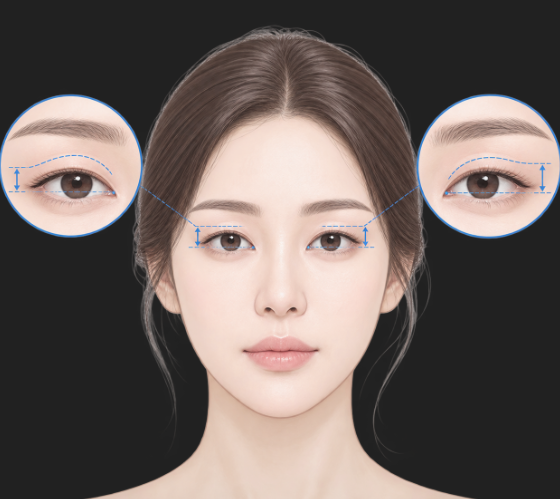
Eyes can look heavy if the skin
of the upper eyelid has sagged,
or if the position of the eyebrows is low.
On the other hand, if the function
of lifting the eyelid is inadequate,
a significant portion of the pupil may be covered.
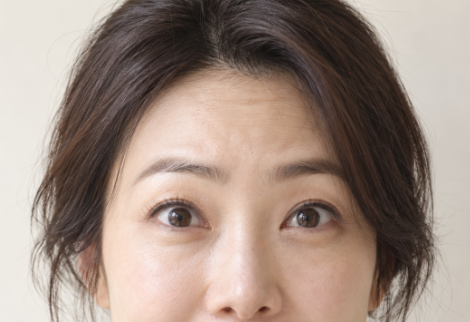
In many cases, people unconsciously develop a habit
of straining their forehead or eyebrows
when opening their eyes.
Therefore, if you are considering ptosis surgery,
you must examine not only the visible shape of the eyes
but also the functional ability to open them.
2. What Exactly Is Ptosis?
Ptosis generally refers to a condition
where the upper eyelid droops
lower than its normal anatomical position.
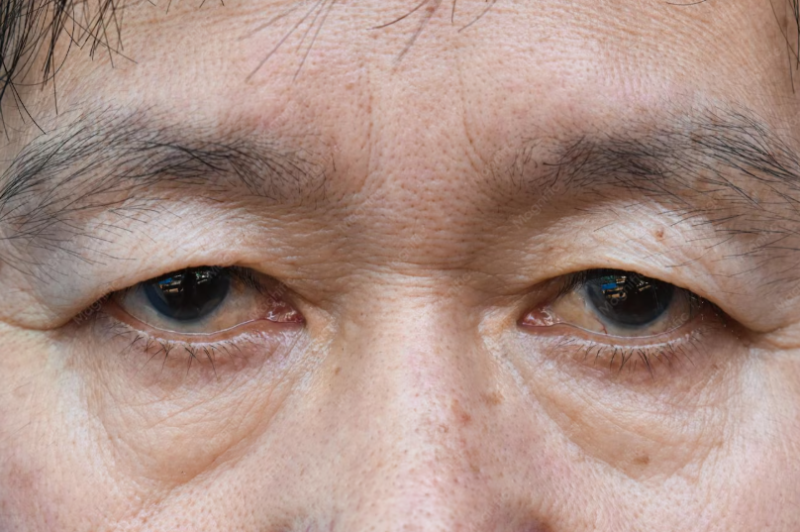
Depending on the severity, it can cover
the upper part of the pupil,
giving a sleepy or fatigued impression.
However, simple skin laxity
must not be confused with ptosis.
Sagging skin covering the eye
and the eyelid margin itself resting too low
differ in both cause and surgical approach.
That is why, before ptosis surgery,
the amount of eyelid skin, the eyebrow position,
and the eyelid-lifting power are assessed together.
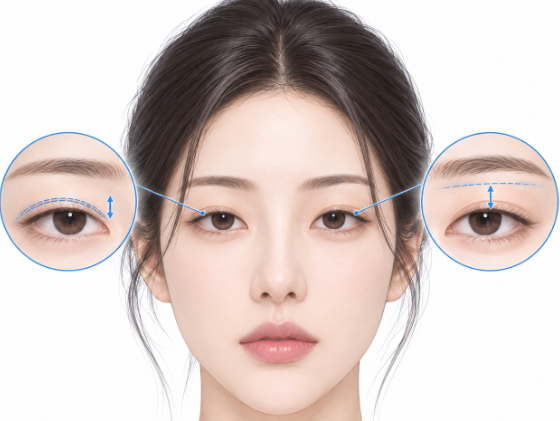
It is also essential to check for any height discrepancies
or differences in eyelid movement
between both eyes.
3. How Is Ptosis Surgery Planned?
Rather than applying the same method
to everyone,
ptosis surgery is planned based on your current condition.
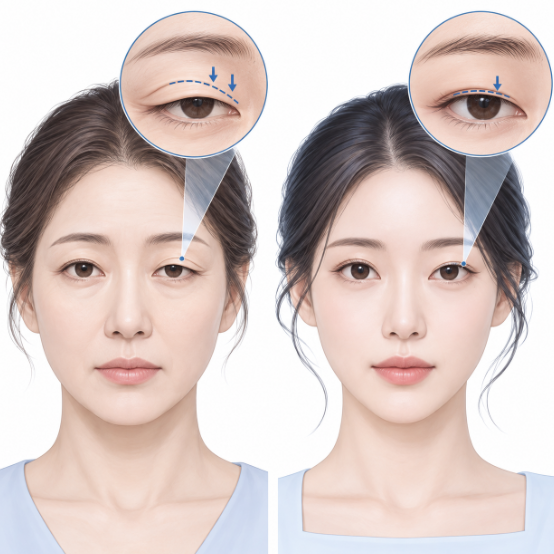
First, we evaluate how much strength
is available to lift the eyelids
and measure the degree of pupil exposure.
Any height asymmetry between both eyes
and the muscles recruited when opening the eyes
are also assessed.
Furthermore, overall balance—including the horizontal and vertical eye proportions
and the distance between the eyebrows and eyelids—
is critical.
Rather than excessively enlarging the eyes,
the goal should be a natural eye shape
that harmonizes with your existing facial features.

Thus, the surgical technique for ptosis
and the degree of correction
may vary depending on each person's ocular anatomy.
4. Key Points to Check Before Surgery
Merely having heavy or tired-looking eyes
is not enough to conclude
that ptosis surgery is immediately required.
The eyes may look heavy
due to redundant eyelid skin,
or the eyebrow position may be contributing.
Additionally, multiple factors—such as height differences between the left and right eyes
and habitual eye-opening patterns—
often interact simultaneously.
In particular, one must check not only the eyelid-lifting power
but also eyelid mobility
and any habit of using the forehead to see.
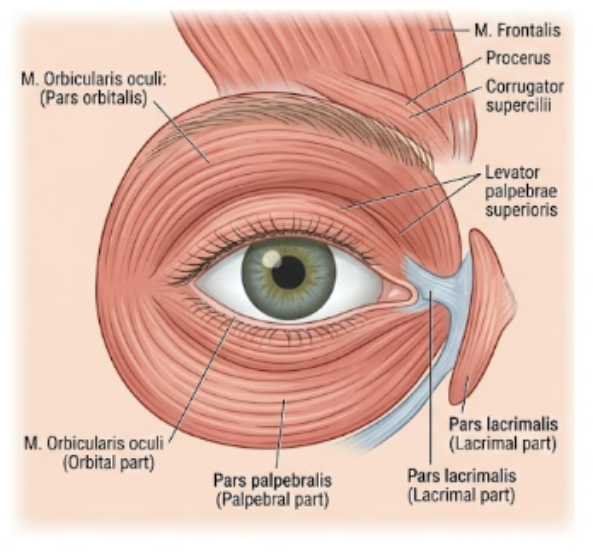
Only by thoroughly examining these aspects together
can we establish a detailed plan
tailored to your specific condition.
Ultimately, what matters most in ptosis surgery
is not merely creating bigger eyes.
It is identifying why the eyes appear heavy
and designing an appropriate plan that considers
individual eye structure and function.
Because surgical techniques and recovery timelines
can differ for each person,
it is best to verify your exact condition
through a comprehensive consultation and diagnosis
before deciding whether to proceed.
- Clinic Hours -
Weekdays 9:00 AM – 6:00 PM Saturdays 9:00 AM – 4:00 PM Sundays & Public Holidays Closed |
- Inquiries -
Face Plus Plastic Surgery Clinic | ||
Phone Consultation: +82-2-541-8500 Inquiries: KakaoTalk Inquiry |
- Location -
Frequently Asked Questions
Do heavy and tired-looking eyes always indicate ptosis?
No, heavy-looking eyes are not always due to ptosis. Excess, sagging upper eyelid skin or low eyebrow positioning can also make you look tired. Since insufficient eyelid-lifting power covering the pupil requires a different approach, accurately determining the underlying cause is essential first.
How does simple eyelid skin laxity differ from ptosis?
The two conditions differ fundamentally in their root causes and surgical solutions. Simple skin laxity (pseudoptosis) occurs when excess skin sags and drapes over the eye, whereas true ptosis involves the eyelid margin itself dropping lower than normal. Therefore, levator muscle function and eyelid mobility must be thoroughly assessed.
What factors are primarily evaluated when planning ptosis surgery?
We primarily evaluate the lifting power of the levator muscle and the degree of pupil exposure. In addition, height discrepancies between both eyes, forehead or eyebrow compensation habits when opening the eyes, horizontal and vertical eye proportions, and the distance between eyebrows and eyelids are all analyzed to achieve natural harmony.
Is ptosis surgery simply a procedure to enlarge the eyes?
No, the objective of ptosis surgery is not just cosmetic eye enlargement. Its main purpose is to correct the anatomical and functional causes of heavy eyelids, restoring comfortable eye-opening function and creating natural-looking contours that blend harmoniously with your facial features.