2026-10-28
Upper Eyelid Surgery Complications: Why Do Your Eyes Look Harsher After Surgery?
Explains why eyes can look sharper or harsher after upper eyelid surgery, including excessive skin removal, crease height, and eyebrow position, and when revision may be needed.
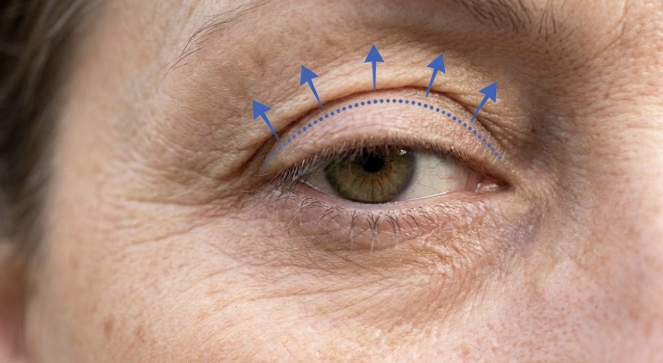
※ This post is written for the purpose of providing medical information. Please note that it is not subject to review under Article 56, Paragraph 2 and Article 57 of the Medical Service Act, and it is not advertising content unrelated to such review.
Hello, I am Park Jeong-geun, director of Face Plus Plastic Surgery Clinic.

Upper eyelid surgery is a method that can help create a clearer eye shape by tidying up drooping upper eyelids.
However, if too much skin is removed or the eyelid line is shaped in a way that doesn't match your original eye shape, your overall impression can change significantly.
In particular, if your eyes look more wide-open and intense than before surgery, or appear fiercer, the cause may not simply be swelling.
Design, the amount of skin removed, eyebrow position, and several other factors need to be reviewed together to identify the cause more accurately.
Today, we'll look at why your eyes may look harsher due to upper eyelid surgery complications and what you should check.
Table of Contents | ||
1. Why Your Impression Changes After Upper Eyelid Surgery 2. Common Causes of Harsh-Looking Eyes 3. Do All Upper Eyelid Complications Require Revision Surgery? 4. Why Design Matters From the Very First Surgery |
1. Why Your Impression Changes After Upper Eyelid Surgery
Upper eyelid surgery is hard to describe as simply cutting away sagging skin.
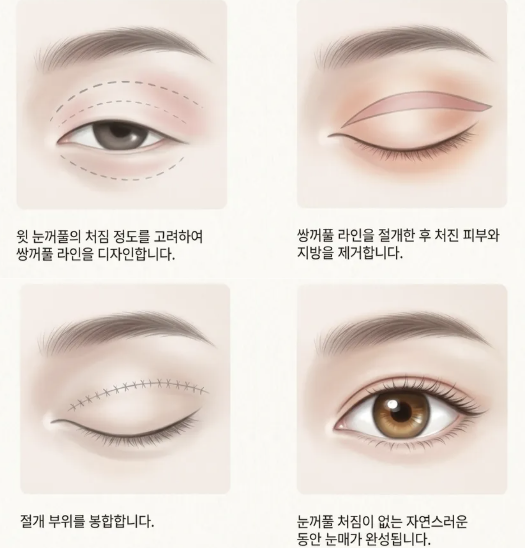
The thickness of the upper eyelid skin, fat volume, eyebrow position, double-eyelid line, and even the strength of the muscles that lift the eyelid all need to be evaluated together.
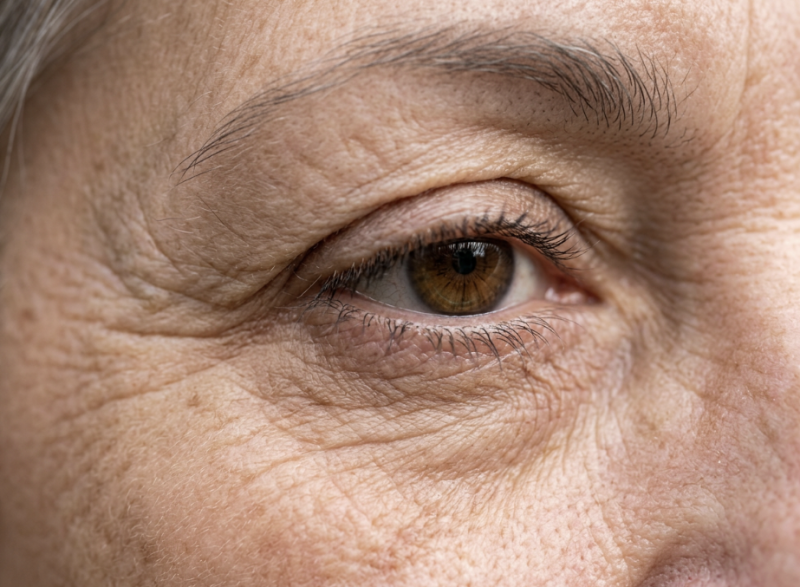
If these factors are not fully considered and too much skin is removed, your eyes may look much wider open than before.
In some cases, the space between the eyebrows and eyes narrows, making the overall impression feel stronger than before.
As such, upper eyelid surgery complications can appear not only as functional discomfort but also as a change in overall impression.
2. Common Causes of Harsh-Looking Eyes
One of the most common causes is removing too much skin from the upper eyelid.
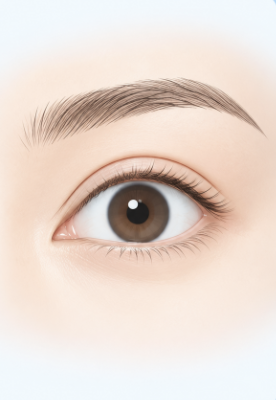
When there isn't enough skin left, you may feel tightness when closing your eyes, and your eyes can look overly defined. In such cases, the eyes may look wide and intense, or give off a fiercer impression than before.
If the double-eyelid line is set too high or doesn't match your original eye shape, the post-surgery look can be quite noticeable.
Also, if one side has more sagging or the eyebrows sit at different heights, but the same amount of skin is removed from both sides, the asymmetry can become more noticeable.
Therefore, when evaluating upper eyelid surgery complications, it's important to look at the eyelid line and eyebrow position, not just the amount of skin removed.
3. Do All Upper Eyelid Complications Require Revision Surgery?
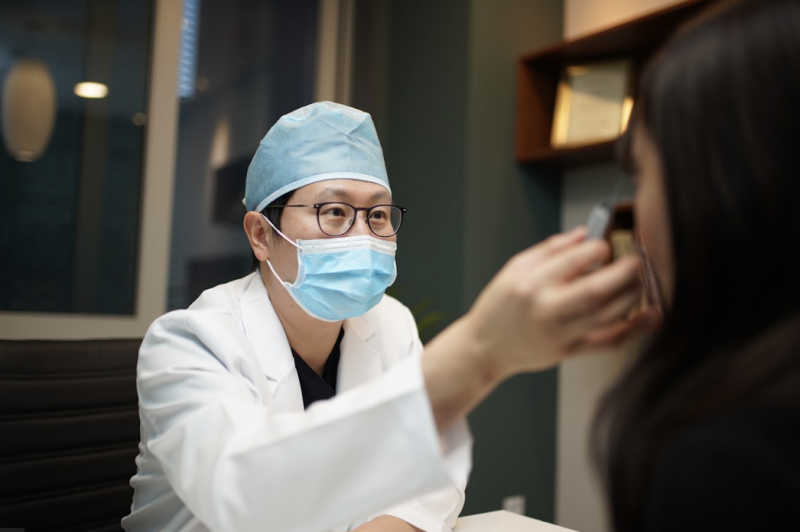
Just because your eyes look unnatural right after surgery doesn't mean you have an upper eyelid complication.
In the early stages, swelling and bruising remain and the incision area is still firm, so your eyes may look sharper than usual.
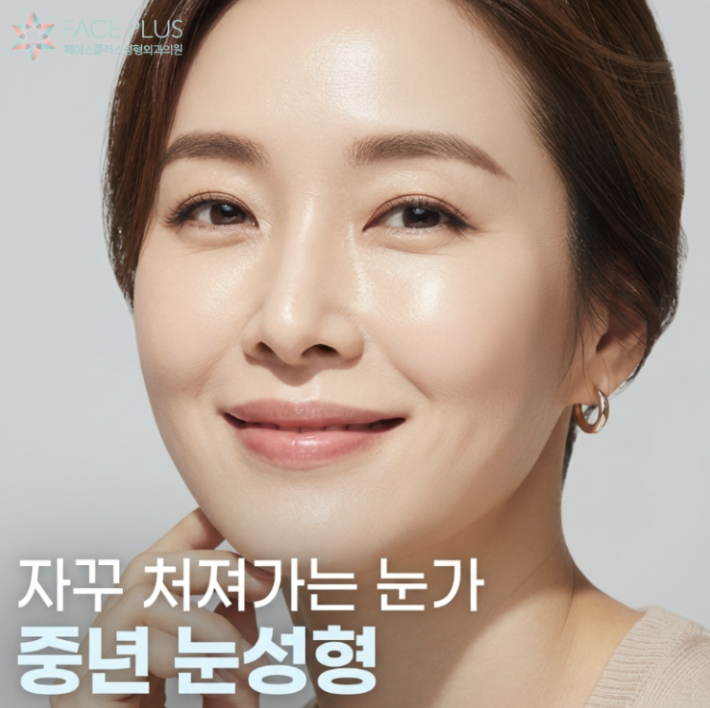
Swelling may also go down unevenly on each side, making one eye look higher or the face appear asymmetrical.
However, as the swelling subsides and the tissue settles over time, these changes often improve naturally.
On the other hand, if your eyes still don't close fully, you feel severe tightness, or clear asymmetry persists after an adequate recovery period, your current condition should be examined to identify the cause first.
In particular, revision surgery for upper eyelid complications requires evaluating the amount of remaining skin, the condition of the scar, and the existing incision line.
Unlike the first surgery, the tissue has already changed, so simply cutting away more skin may not solve the problem.
4. Why Design Matters From the Very First Surgery
What matters most in upper eyelid surgery is that removing as much sagging skin as possible is not the goal.
Tidying up the eyes naturally, in a way that suits your face and existing eye shape, can actually be more important.
Even people of the same age differ in the degree of skin sagging, fat volume, and eyebrow position. Eyelid thickness and existing double-eyelid lines also vary, so it's difficult to apply the same design to everyone.
Therefore, to reduce upper eyelid surgery complications, it's important to carefully examine each person's eye structure and determine the extent of skin removal accordingly.
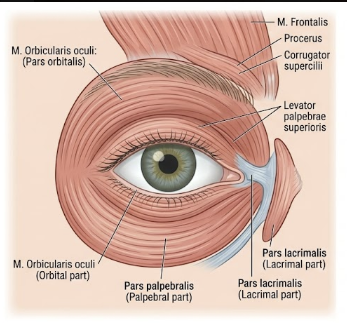
Rather than simply making the eyes bigger, the goal is to keep your original eye features and expression from changing too much.
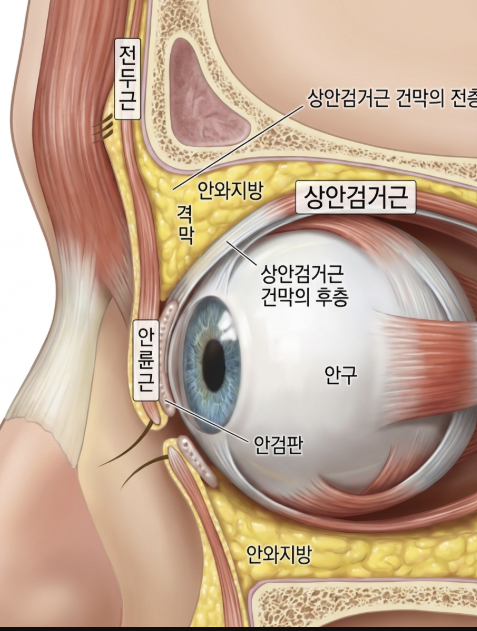
This is also why the design process before surgery, which takes overall facial balance and mood into account, is so important.
If you suspect an upper eyelid surgery complication, avoid making a hasty decision about revision based solely on before-and-after photos.
Check your remaining skin, scar condition, eyebrow position, and eyelid line together, then determine what caused the change.
Even small differences in design can significantly change the shape of the eyes and overall impression in upper eyelid surgery.
If you're concerned about a harsh look or intense eyes after surgery, the first step toward a more natural result is to understand exactly why the change happened, rather than focusing only on reshaping the eyelid line.
-Business Hours-
Weekdays 9:00 ~ 18:00 Saturday 9:00 ~ 16:00 Public Holidays / Sundays Closed |
-Contact-
Face Plus Plastic Surgery Clinic | ||
Consultation: 02-541-8500 Inquiries: Contact us on KakaoTalk |
-Directions-