2026-10-03
Upper and Lower Blepharoplasty: How to Address Droopy Eyelids and Under-Eye Concerns Together
Discover how upper and lower blepharoplasty address drooping eyelids and under-eye bags together, restoring natural balance and a rejuvenated look.
※ This post is intended for medical informational purposes.
It is not subject to review under Article 56, Paragraph 2, and Article 57 of the Medical Service Act, and we inform you that it is not an promotional post unrelated to the deliberated content.
Hello,
I am Dr. Park Jung-keun,
Director of FacePlus Plastic Surgery Clinic.

When looking in the mirror, if your upper eyelids feel heavier
and droopier than before, or if your under-eyes look puffy,
it is easy to assume that it is simply
an issue of skin elasticity.
However, the skin around the eyes is thin,
and skin sagging often occurs alongside
changes in the underlying fat pads.
When these changes overlap,
they can significantly alter the shape of your eyes
as well as your overall facial impression.
In particular, if changes in both the upper eyelids and under-eyes
are bothering you at the same time,
many people look into both upper and lower blepharoplasty.
Although both surgeries address the periorbital area,
there is a clear difference in
the targeted areas and their objectives.
Therefore, it is crucial to assess your current eye condition
and determine the necessary approach.

Today, we will take a step-by-step look at the differences between upper and lower blepharoplasty,
cases where they can be considered together, and what to verify before surgery.
Table of Contents | ||
1. What is the difference between upper and lower blepharoplasty? 2. Why do eyelids sag? 3. When should upper and lower blepharoplasty be considered together? 4. What should be checked before surgery? |
1. What is the difference between upper and lower blepharoplasty?
First, because of the combined phrase "upper and lower blepharoplasty,"
many people tend to think of them
as a single unified procedure.
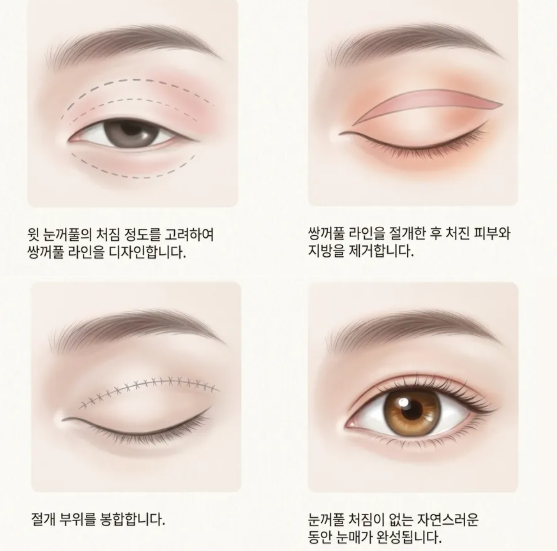
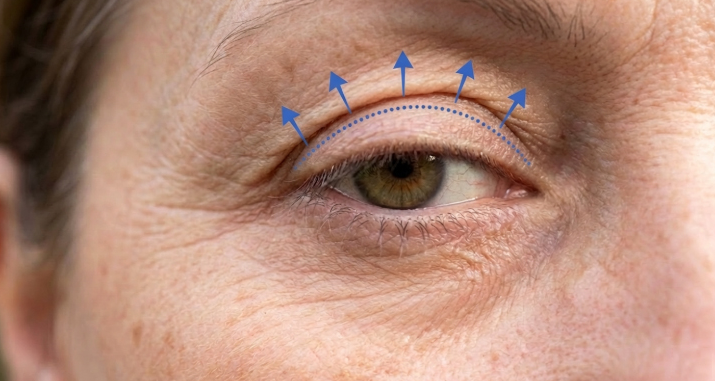
However, upper blepharoplasty mainly addresses sagging of the upper eyelid,
while lower blepharoplasty is a surgery that treats the lower structures,
such as the skin and fat beneath the eyes.
When upper eyelid skin sags,
it can cover the existing double eyelid line
or make the eyes appear more tired and hooded than before.
In some cases, people develop a habit
of using their forehead muscles to lift their eyelids
due to the sagging skin.
Conversely, beneath the eyes,
fat may bulge forward,
or as skin elasticity decreases,
wrinkles and hollows may become more pronounced.

Therefore, combined upper and lower blepharoplasty
is not merely a concept of
pulling the top and bottom simultaneously.
It requires a process of first evaluating
the distinct periorbital structures
and the degree of age-related changes in each area.
2. Why do eyelids sag?
The eye area has some of the thinnest skin
on the face and undergoes
constant movement.
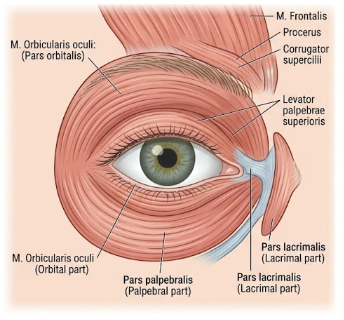
Over time,
skin elasticity diminishes,
and changes can also occur
in the surrounding orbital fat, muscles,
and supporting tissue structures.
In particular, as upper eyelid skin descends,
it can obscure your natural eye shape
or double eyelid line.
Under the eyes, shifting fat positions can make
the boundary between bulging areas and hollows
stand out significantly.
Because of this, regardless of whether you are actually tired,
your eyes may appear heavy,
leaving a weary impression.
Even among people of the same age group,
the pattern of aging around the eyes
varies from person to person.
Some individuals may experience more significant upper eyelid sagging,
while others may be more concerned
about changes beneath the eyes.
Therefore, when considering upper and lower blepharoplasty,
it is difficult to make a decision
based on age alone.

It is essential to comprehensively evaluate the current degree of skin laxity, the volume and position of fat,
as well as the overall condition of the eye shape
and surrounding tissues.
3. When should upper and lower blepharoplasty be considered together?
If noticeable changes are occurring in both the upper eyelids
and the under-eye area at the same time,
you may consider consulting for both procedures together.

For instance, there are cases where drooping upper eyelid skin
makes the gaze appear hooded and tired,
while bulging under-eye fat or
loose under-eye skin is equally prominent
at the same time.
The important point here
is not to undergo both surgeries simultaneously
unconditionally.
If the changes are prominent only in the upper eyelids,
treatment can focus primarily on upper blepharoplasty.
Conversely, if the main concern lies below the eyes,
lower blepharoplasty or alternative techniques
can be considered instead.
Furthermore, just because the under-eye area looks puffy
does not mean everyone shares the same underlying cause.
Depending on the extent of fat protrusion, degree of skin laxity,
and the configuration of the tear trough deformity,
the necessary surgical approach can vary.
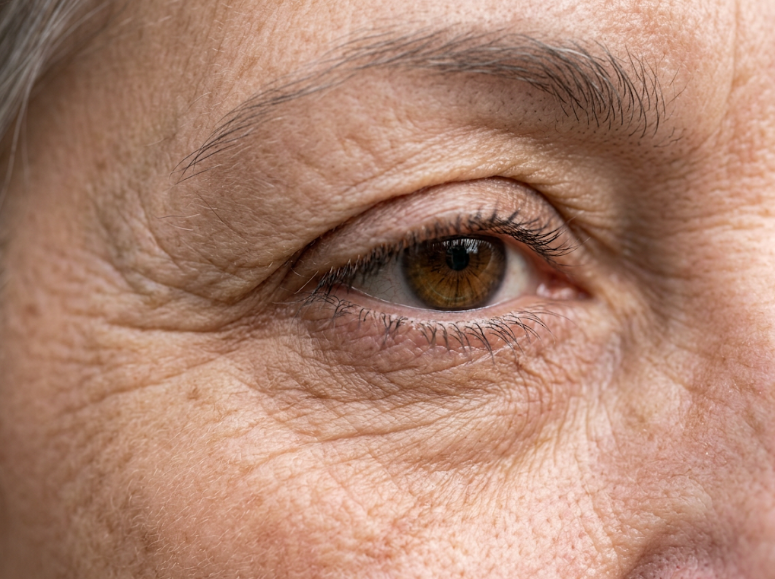
Therefore, if you are considering upper and lower blepharoplasty together,
rather than focusing solely on how much skin or fat to remove,
it is crucial to examine the overall facial balance
so that the upper and lower contours
connect naturally.
4. What should be checked before surgery?
When planning periorbital surgery,
it is necessary to evaluate not only the static shape of the eye,
but also the dynamic movement
involved in opening and closing the eyes.
For upper blepharoplasty, the degree of upper eyelid skin laxity,
eyebrow position, and existing eyelid folds
must be comprehensively verified.
In the case of lower blepharoplasty, it is necessary to assess
the elasticity of the lower eyelid skin, the location and amount of fat,
and the supporting structures of the lower eyelid.
In particular, if planning upper and lower blepharoplasty concurrently,
evaluating the upper and lower eyelids in isolation
may not be enough.
It is best to consider the overall structural harmony
extending from the eyebrows to the upper eyelids,
and from the under-eyes down into the anterior cheek area.
Rather than adopting an approach that removes excessive skin or tissue,
it is vital to design a plan customized
to each individual's anatomical structure and degree of aging.
After surgery, depending on the individual,
temporary swelling, tightness, dryness, or mild discomfort
may occur.
Therefore, it is recommended to receive a detailed explanation
regarding the expected recovery process and precautions
prior to surgery.
Ultimately, rather than approaching upper and lower blepharoplasty
with the sole objective of smoothing out wrinkles,
one must identify which structural changes
have led to the eyelid and under-eye concerns.
If you are troubled by both drooping upper eyelids
and under-eye issues,
instead of assessing one area alone,
take into account the state of both the upper and lower periorbital regions

and the overall balance of your eye shape
before deciding on the procedure that is truly right
for you.
-Operating Hours-
Weekdays 9:00 ~ 18:00 Saturday 9:00 ~ 16:00 Sundays / Public Holidays Closed |
-Inquiries-
FacePlus Plastic Surgery Clinic | ||
Phone Consultation: 02-541-8500 Inquiries: KakaoTalk Inquiry |
-Directions-
Frequently Asked Questions
What is the difference between upper and lower blepharoplasty?
Both surgeries target different areas and fulfill distinct purposes. Upper blepharoplasty primarily addresses sagging skin on the upper eyelids and obscured crease lines, while lower blepharoplasty targets lower orbital structures, addressing under-eye fat herniation and skin laxity.
Do upper and lower blepharoplasty have to be performed together?
No, undergoing both surgeries simultaneously is not mandatory. You can selectively treat only the upper or lower eyelid where aging is more pronounced, tailoring the decision to your specific anatomical concerns.
Why do eyelids sag and under-eye changes occur with age?
Because the skin around the eyes is exceptionally thin and constantly in motion, aging gradually weakens its elasticity and underlying support structures. As a result, upper eyelids can droop and obstruct vision, while herniated under-eye fat creates bags and shadows that lend a tired look.
What should be evaluated before upper and lower blepharoplasty?
It is essential to evaluate both dynamic eyelid movements (opening and closing) and overall periorbital harmony. Surgeons assess eyebrow position and eyelid folds for upper blepharoplasty, alongside under-eye skin tone and fat position for lower blepharoplasty, avoiding excessive tissue resection.
What temporary symptoms might occur after surgery?
Depending on the individual, temporary swelling, feelings of tightness, dry eye sensation, or minor discomfort may arise. It is advisable to receive a thorough briefing on the expected recovery timeline and postoperative care guidelines before having the procedure.