2026-09-29
Swelling, Bruising, and Recovery After Thread Lifting: When Will It Look Natural?
Learn about the recovery stages after a thread lift, including why swelling and bruising occur, when results look natural (typically around 4 weeks), and essential aftercare precautions.
※ This article is provided for medical informational purposes only.
In accordance with Articles 56-2 and 57 of the Medical Service Act,
this post is not subject to mandatory review and is not
an promotional advertisement unrelated to deliberated content.
Hello,
I am Dr. Jeong-geun Park, Director of
Face Plus Plastic Surgery.

When considering a thread lift,
one of the biggest questions alongside its lifting effect
is the recovery process after the procedure.
Because it is performed on the face,
many worry about whether the swelling will be severe
or if bruising will last for a long time.
In particular, if you have an important appointment, photoshoot,
or trip coming up,
it is crucial to account for the healing timeline.

Swelling, bruising, and recovery time after a thread lift
vary depending on the type and number of threads used, the treatment area,
and individual skin characteristics.
Let’s take a look at the typical stages of recovery
and how your face gradually settles
into a natural appearance.
Table of Contents | ||
1. Why does swelling occur after a thread lift? 2. How long does bruising usually last? 3. How long does it take to look natural? 4. Lifestyle habits to watch out for during recovery |
1. Why does swelling occur after a thread lift?
A thread lift is performed by inserting medical-grade threads
beneath the skin to support and reposition
sagging tissues.

As the threads are placed,
the subcutaneous tissues are stimulated,
which can lead to temporary swelling.
You may also experience a tight, pulling sensation
or feel that the treated area is
firmer than usual.
Therefore, when evaluating post-procedure swelling, bruising, and recovery,
it is difficult to judge the final result
solely by the presence of early swelling.
Initially, facial contours may appear puffier than normal,
or there might be slight asymmetry between the left and right sides.
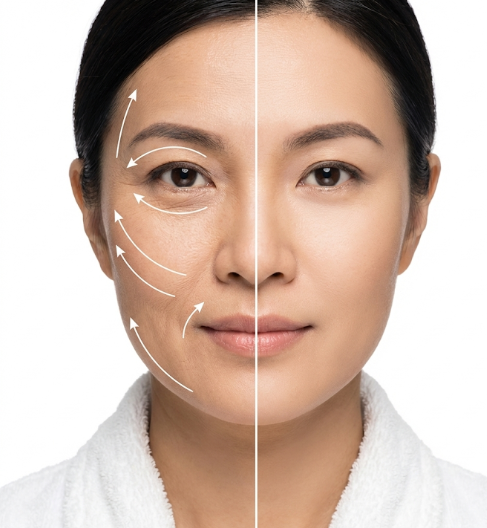
The degree of swelling depends on individual factors,
such as the number and location of threads inserted
and the level of tissue stimulation.
2. How long does bruising usually last?
Bruising is another common concern
when planning for recovery
after a thread lift.
When threads are inserted beneath the skin,
microvessels can be stimulated,
which may result in localized bruising.
While bruising can appear immediately,
it often becomes more noticeable and deepens in color
over the first few days.
As healing progresses, the bruise will gradually fade
and change color until it completely resolves.
However, the severity and duration of bruising
vary from person to person depending on factors
like skin thickness and blood vessel distribution.

If you have an important event or photo shoot coming up,
it is advisable to allow ample recovery time
rather than scheduling it right after the procedure.
3. How long does it take to look natural?
So, how long should you expect
for the swelling, bruising, and overall recovery to settle?
In the early stages, along with swelling,
you might feel a tight pulling sensation or minor discomfort
when moving your face.
As time passes and the tissues stabilize,
these sensations typically ease
and subside naturally.
At first, the facial contours may feel somewhat unnatural
or overly taut.
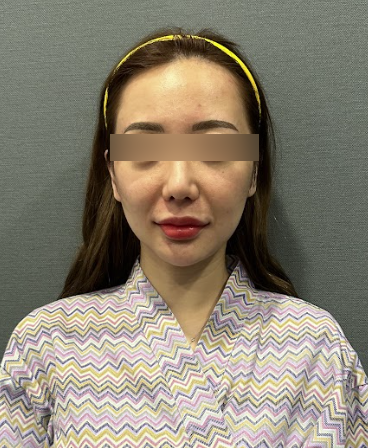
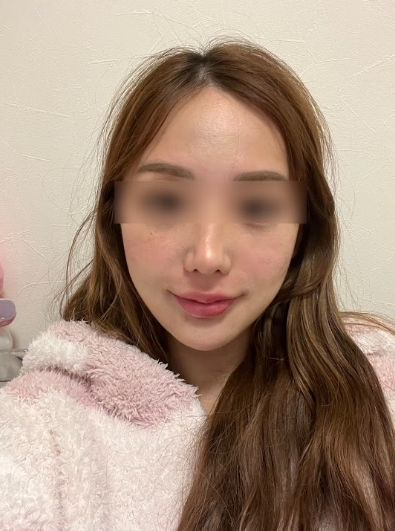
As recovery progresses,
the surrounding tissues settle,
and the facial contours gradually soften into a natural look.
However, it is difficult to define
the recovery period by an exact number of days.

Even when the same type of thread is used,
skin thickness, fat volume, and the degree of sagging
differ for every individual.
Recovery can also vary depending on
the number of threads, insertion depth, and vector of lifting.
Therefore, it is important to evaluate the recovery timeline
by taking your individual facial characteristics and
the extent of the procedure into account.
4. Lifestyle habits to watch out for during recovery
During the recovery phase,
it is essential to adjust your daily habits
to avoid unnecessary irritation to the treated areas.
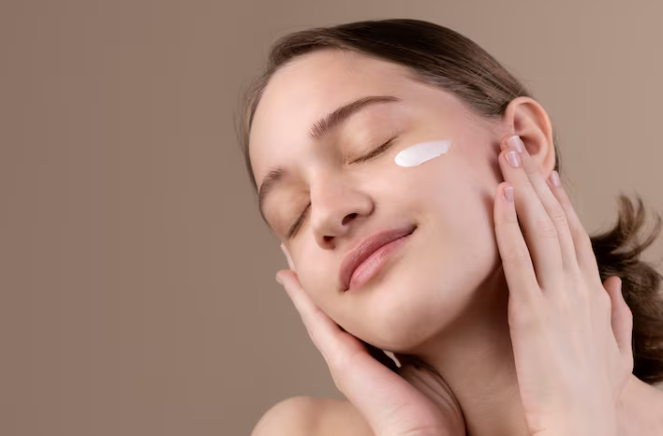
Actions such as rubbing or pressing the face firmly,
as well as deep tissue facial massages,
should be avoided early on.
You should also be cautious about opening your mouth too wide
or making exaggerated facial expressions.
Additionally, activities that significantly elevate body temperature,
such as alcohol consumption, strenuous exercise, and saunas,
should be avoided according to your clinic's guidelines.

Swelling, bruising, and recovery time following a thread lift
do not follow a single, fixed timeline for everyone.
Rather than focusing solely on early swelling and bruising,
it is best to observe the gradual improvement
as the tissues settle over time.
- Clinic Hours -
Weekdays 09:00 - 18:00 Saturday 09:00 - 16:00 Sundays & Public Holidays Closed |
- Contact & Inquiries -
Face Plus Plastic Surgery | ||
Phone Consultation: 02-541-8500 Inquiries: KakaoTalk Inquiry |
- Directions -
Frequently Asked Questions
Why does swelling occur after a thread lift?
Swelling is a temporary reaction caused by tissue stimulation as threads are inserted beneath the skin. This can lead to stiffness, tightness, and a firm feeling, with the extent of swelling varying depending on the number and placement of threads and individual skin condition.
How long does it take for bruising to fade after a thread lift?
Bruising gradually fades over time, though duration depends on skin thickness and vascularity. It occurs when microvessels are disturbed during insertion and can appear immediately or after a few days. If you have major events planned, allow ample time for recovery.
How long is the recovery period until the results look natural?
Results generally begin to look natural around week 4 as the underlying tissues settle. Early tightness or awkwardness softens over time. However, individual recovery varies based on skin thickness, laxity, and the number of threads used.
What activities should I avoid during recovery?
Avoid excessive facial stimulation and activities that raise your body temperature. Refrain from rubbing or pressing the face firmly, having vigorous massages, or opening your mouth too wide. Strenuous exercise, alcohol, and saunas should also be postponed according to medical advice.