2026-09-24
Ptosis Surgery: 3 Things to Check Before Considering the Cost
Learn the 3 vital factors to evaluate before ptosis surgery beyond cost: true vs. pseudo-ptosis, eyebrow position, and tailored surgical methods for natural results from FacePlus Plastic Surgery Clinic Dr. Park Jeong-geun.

※ This post is provided for informational medical purposes.
It is not subject to review under Article 56, Paragraph 2 and Article 57 of the Medical Service Act,
and we inform you that it is not an promotional post unrelated to medical review content.
Hello,
I am Dr. Jeong-Geun Park,
Director of FacePlus Plastic Surgery.

If your eyelids droop
and make you feel like your pupils are covered,
or if you have to use your forehead muscles when opening your eyes,
you may have considered ptosis surgery at least once.
In such cases, many people tend to start
by searching for the cost
of ptosis surgery first.
However, deciding whether to undergo surgery
solely based on cost comparisons
may not be advisable.
This is because the underlying causes of eyelid drooping,
the function of the eyelid-elevating muscles,
and the position of the eyebrows vary from person to person.

Therefore, when looking into ptosis surgery,
it is crucial to thoroughly examine
the current structure and function of your eyes first.
Table of Contents | ||
1. Determining Whether It Is Truly Ptosis 2. Examining Eye-Opening Power and Eyebrow Position 3. Finding the Surgical Method That Suits You 4. Why You Shouldn't Just Compare Costs |
1. Determining Whether It Is Truly Ptosis
Just because eyelids appear droopy
does not mean they all stem from
the exact same cause.
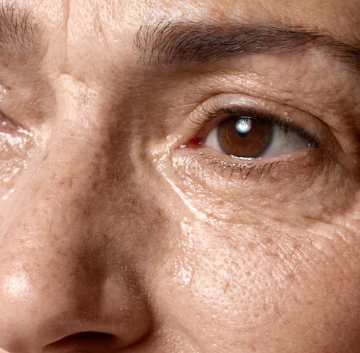
In some cases, sagging upper eyelid skin
covers the pupil,
while in others, a low eyebrow position may be the issue.
Conversely, the muscles responsible for lifting the eyelids
may lack sufficient function,
making it genuinely difficult to open the eyes.
Even if appearances seem similar,
the underlying root causes
can be completely different.
Therefore, before ptosis surgery,
it is necessary to distinguish the underlying cause
rather than merely looking at eye shape.
We check how much of the pupil is exposed when opening the eyes comfortably,
and whether forehead muscles are engaged to assist in opening.
2. Examining Eye-Opening Power and Eyebrow Position
When planning ptosis surgery,
one must look not only at the eyelids
but also at the surrounding anatomical structures.

In particular, the function of the levator muscle,
eyebrow height, excess skin quantity,
and differences between both eyes must be evaluated.
If the eyebrow position is low,
the upper eyelids can appear
heavier than they actually are.
If the opening strength differs between the two eyes,
one eye may appear relatively smaller,
creating an asymmetric look.
The existing double eyelid crease line
and eyelid skin thickness
are also factors that must be factored in.
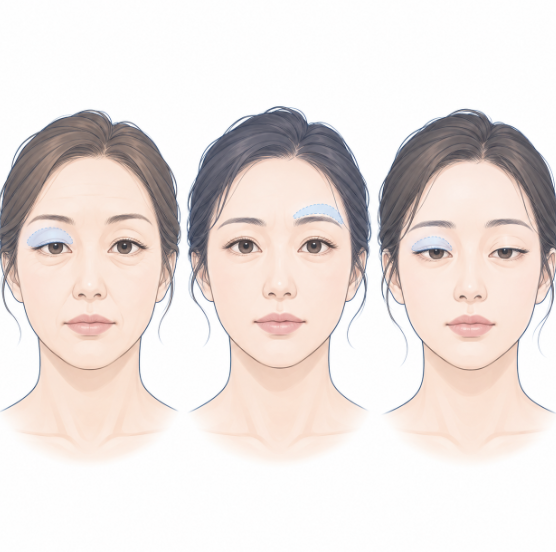
Hence, ptosis surgery
should account for both functional and structural harmony,
rather than simply aiming to make the eyes larger.
3. Finding the Surgical Method That Suits You
Because the degree and cause of ptosis
vary from person to person,
the surgical technique must be tailored accordingly.
The condition of the eyelid skin,
the function of the levator muscle,
and the patient's existing eye shape are all considered together.

In addition, detailed planning is essential,
such as determining the degree of correction needed
and designing the double eyelid crease line.
Overly aggressive correction
does not necessarily result
in a natural-looking eye contour.
Overcorrection or choosing an approach
ill-suited to your current anatomy
can lead to an unnatural or strained appearance.
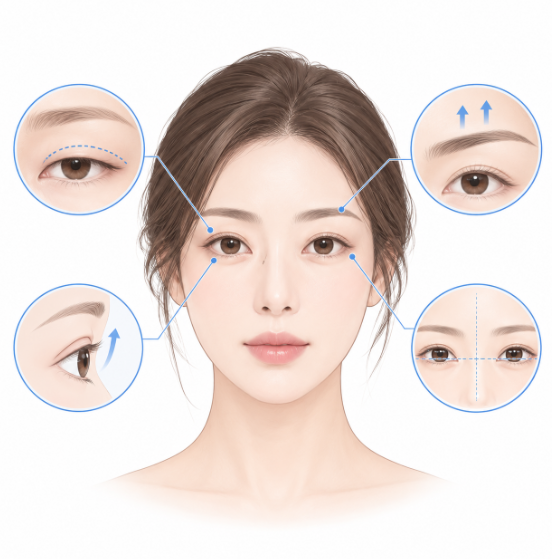
Therefore, prior to undergoing ptosis surgery,
a thorough, personalized consultation is required
to ensure the chosen method matches your ocular characteristics.
4. Why You Shouldn't Just Compare Costs
The cost of ptosis surgery
can vary depending on
the surgical technique, the extent of correction, and other variables.

Rather than simply seeking the lowest price,
it is far more important to understand
the clinical criteria on which the surgery is planned.
After surgery, swelling, bruising,
or a pulling sensation may persist for a certain period,
varying from individual to individual.
There is also the potential for
dry eyes, asymmetry,
or temporary discomfort when closing the eyes.
Receiving comprehensive instructions regarding
the recovery timeline and precautions is paramount.
Ultimately, when researching ptosis surgery,
instead of prioritizing cost alone,
you should identify the true cause of eyelid drooping,
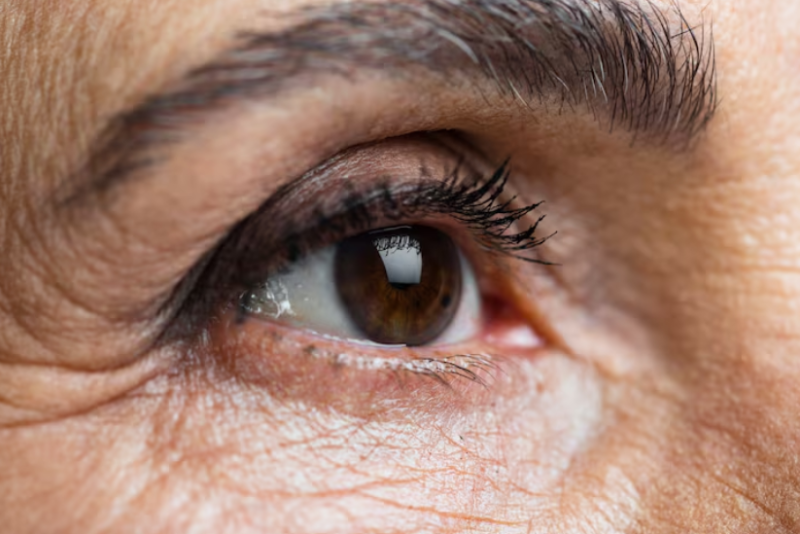
and comprehensively evaluate your eye-opening strength, eyebrow position,
and the precise level of correction needed for your unique anatomy.
-Office Hours-
Weekdays 9:00 ~ 18:00 Saturdays 9:00 ~ 16:00 Sundays / Public Holidays Closed |
-Inquiries-
FacePlus Plastic Surgery Clinic | ||
Phone Consultation: 02-541-8500 Inquiries: Contact via KakaoTalk |
-Location-
Frequently Asked Questions
Does drooping eyelid skin always mean ptosis?
No, not all sagging eyelids are caused by true ptosis. In addition to weakened levator muscle function, excess skin laxity in the upper eyelid or a lowered eyebrow position can also cause the eyelids to appear drooping from the outside.
Should eyebrow position also be checked during ptosis correction?
Yes, it must be evaluated together. If the eyebrows sit low, the upper eyelids can look significantly heavier than they actually are. Assessing eye-opening power, eyebrow elevation, and skin thickness together is essential for achieving a harmonious result.
Is stronger correction always better for ptosis surgery?
No, an excessively strong correction is not recommended. Overcorrecting or applying techniques incompatible with your current ocular anatomy can result in an unnatural appearance or difficulty closing the eyes fully, so identifying the optimal degree of correction is key.
What side effects can occur after ptosis surgery?
Swelling, bruising, and tightness may persist for a certain period. Complications like dryness, asymmetry, or incomplete eyelid closure can also arise. Recovery speed and responses vary by individual, so thoroughly understanding the recovery timeline and post-op care beforehand is essential.